Unveiling Genevar : The Fine Line Between Authenticity vs Super Clones


In this world of high-end timepieces, a fascinating phenomenon is developing. The name Genevar, a name synonymous with high-quality replicas, has drawn the attention of timepiece lovers and collectors as well. Although many people associate Genevar strictly with super clones—timepieces that carefully mimic recognizable luxury brands—there is so more to explore beneath this surface of this fascinating marketplace.
Genevar's story goes beyond Genevar extends beyond just the allure of replication. It explores into the nuanced relationship between genuineness and artistry in watchmaking. Emerging trends are revealing a broader perspective of Genevar, one that encompasses innovative designs and the craftsmanship that appeals to a diverse audience. This exploration invites us to consider what it really means to appreciate horological artistry in all its forms, questioning conventional notions of value and genuineness in the world of watches.
Comprehending Super Clones
Super clones represent a intriguing segment of the watch market, merging the lines between authentic luxury timepieces and thoroughly crafted replicas. These watches are crafted to imitate their genuine counterparts so closely that it can be hard for even the trained eye to discern the difference. By using high-quality materials and advanced manufacturing techniques, super clones aim to serve as an attainable alternative for those who desire the aesthetics of luxury watches without the large price tag.
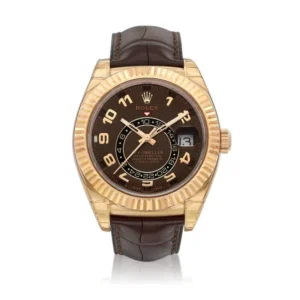
The appeal of super clones lies in their capability to replicate the detailed details of high-end watches. From the style of the dial to the movement inside, manufacturers of super clones invest ample resources to simulate every element of the originals. As a result, collectors and enthusiasts often argue whether these replicas hold any significance in the watch community, while others view them as a form of creative design in their own right.
However, the rise of super clones raises significant questions about truthfulness and the validity of the watch industry. For some, owning a super clone may feel like a trade-off, while for others, it represents a feasible solution to enjoy the allure of luxury without the associated costs. This ongoing discussion about the benefits and pitfalls of super clones sets the stage for a deeper exploration of Genevar, a brand that crosses the line between genuineness and copying.
genevar ">The exquisite Artistry of Genuine Genevar
The artistry behind true Genevar watches is a striking combination of tradition and innovation. Every watch is meticulously produced by expert artisans who spend numerous hours to ensure accuracy and quality. The journey commences with the careful choosing of premium materials, including top-notch metals and durable sapphires, which constitute the foundation of all piece. This focus to material excellence is reflected in the durability and visual charm of Genevar timepieces, making them beyond timekeeping instruments, but also cherished pieces of art.
Once the raw materials are chosen, the detailed processes of design and construction take place. The mechanisms within Genevar watches are typically handmade, highlighting the skill of watchmakers who have honed their art over ages. These movements are designed for outstanding precision and longevity, which is a hallmark of Genevar's dedication to quality. The finishing touches, such as polishing and inscribing, are executed with care, enhancing the aesthetic appeal and touch of all timepiece.
Additionally, Genevar emphasizes heritage and authenticity, which echo through every collection. While the company is rooted in traditional watchmaking techniques, it consistently integrates cutting-edge technologies, ensuring that every watch meets contemporary standards of excellence. By balancing time-honored practices with forward-thinking engineering, Genevar creates timepieces that are not only stylish but also durable and reliable, setting them distinguishing them from super clones in the field.
Legal Status and Copyright
The rise of knockoff watches has raised significant concerns regarding legal matters and the defense of creative rights. Companies invest substantial resources in designing and producing high-quality timepieces, which are often the result of decades of invention and artistry. When companies produce counterfeits, they are essentially replicating not only the aesthetic elements of these watches but also potentially infringing on trademarked technologies and design rights. This blurs the lines of lawfulness in a market that is meant to safeguard the innovation and investments of genuine creators.
Intellectual property laws vary greatly across different countries, but many countries recognize the rights of trademark holders to safeguard their trademarks and creations. When it comes to super clones, however, tracking these rights becomes a difficult task. In many cases, the manufacturers operate in regions with looser implementation of intellectual property laws, complicating efforts for authentic creators to seek legal recourse against copycat products. This creates an ongoing conflict between high-end brands and those who exploit their creations without permission.
Buyers play a crucial role in this dynamic. The appeal of premium timepieces at a fraction of the price is appealing, yet purchasing imitations can inadvertently back practices that detract from the hard work of authentic creators. By choosing to invest in authentic pieces, consumers help maintain the value of artistry and originality in the timepiece industry, ensuring that original creators receive recognition and safeguarding for their IP.
Market Trends and Consumer Perception
A luxury watch market has seen a notable shift in consumer perceptions toward replicas, especially those produced by Genevar. Numerous enthusiasts and collectors are progressively drawn to the idea of owning a watch that bears a striking resemblance to high-end brands without the exorbitant price tag. This trend has sparked a mixed response, with certain consumers viewing super clones as an accessible entry point into the world of luxury timepieces, while another segment feel they undermine the prestige and craftsmanship associated with real watches.
As the demand for super clones rises, Genevar has positioned itself as a prominent player by focusing on quality and attention to detail. Consumers are increasingly more aware of the nuances that set apart super clones from authentic models, leading to a more discerning audience. This has fostered a market where authenticity is measured not only by brand name but by the overall craftsmanship of the piece. The rise of internet forums and discussion groups dedicated to watch discussions has intensified this awareness, allowing consumers to exchange insights and opinions about their purchases.
Still, the perception of super clones remains split. Certain collectors appreciate the value and design elements that Genevar provides, while an opposing view believe that supporting such replicas lowers the rarity and value of original pieces. This ongoing debate influences market trends, as brands evoke intense discussions about authenticity, ownership, and the future of horology. As Genevar continues to innovate and adapt, the luxury watch landscape will likely evolve in tandem with shifting consumer preferences, challenging traditional notions of what constitutes a true luxury watch.
The Future of Luxury Watchmaking
The luxury watch industry is at a pivotal moment, where heritage intersects with advancement. As consumers become increasingly aware of the distinctions between authentic Swiss craftsmanship and super clones, companies must adapt to this shifting landscape. The challenge lies in promoting genuine pieces that convey not just timekeeping but also a narrative, a legacy that speaks to the heart of watchmaking excellence. Manufacturers investing in eco-friendly methods and transparency will likely gain a competitive edge as discerning customers seek authenticity in their luxury purchases.
The rise of technological advancements, including artificial intelligence and blockchain, is revolutionizing the way timepieces are manufactured and marketed. Luxury manufacturers are leveraging these advancements to enhance traceability and ensure the authenticity of materials, providing customers with confidence in their investment. As collectors become more informed, the ability to verify authenticity through online services may soon become common practice, leading to a shift in how worth is perceived in the luxury watch market.
In this changing environment, the distinction between super clones and genuine pieces is bound to grow more pronounced. Brands will need to emphasize not just the craftsmanship but also the experience associated with luxury timepieces. Creating relationships through storytelling, heritage, and uniqueness will define the future of luxury watchmaking, ensuring that the essence of true artistry remains intact while adapting to the needs of a younger audience of watch enthusiasts.